BLOG
Payment Gateway for Recurring Payments in Pakistan 2026
Reduce failed renewals with XPay Subscriptions: automated billing, retries, reminders, tokenization, and reporting in Pakistan.

Author
XPay
June 22, 2026
BLOG
Reduce failed renewals with XPay Subscriptions: automated billing, retries, reminders, tokenization, and reporting in Pakistan.
June 22, 2026
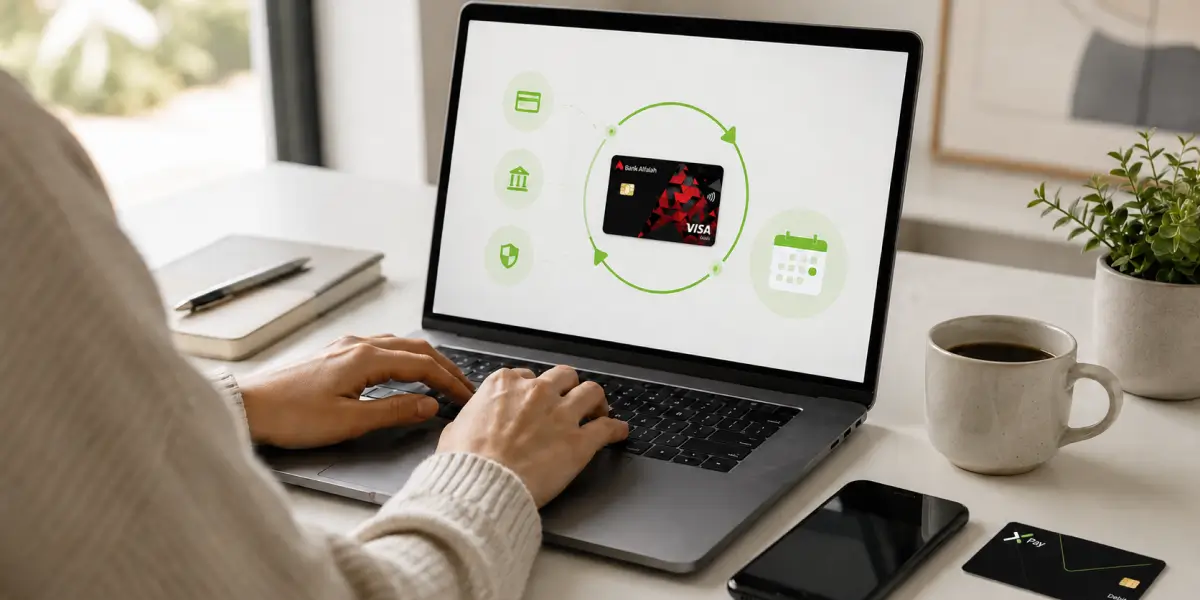
Most online businesses focus on winning the first payment. Subscription businesses have a bigger challenge: they need to win the payment again and again.
That changes the role of a payment gateway.
For a one-time order, the payment gateway simply helps complete checkout. But for recurring payments, the gateway becomes part of the revenue engine. It must store payment credentials securely, charge customers on schedule, retry failed payments, reduce involuntary churn, and give businesses clear visibility into every billing cycle.
This is why choosing a payment gateway for recurring payments in Pakistan is not just a technical decision. It is a business decision that directly affects cash flow, customer retention, and long-term growth.
As more Pakistani businesses move toward subscriptions, memberships, SaaS billing, online services, education plans, wellness packages, digital products, and repeat commerce, recurring payment infrastructure is becoming more important than ever.
Recurring payments are automatic payments collected from a customer on a fixed or usage-based schedule.
Instead of asking the customer to manually pay every month, the business sets up a billing plan once. After that, the payment gateway automatically processes future payments according to the billing cycle.
Recurring payments are commonly used for:
For customers, recurring payments create convenience. They do not need to remember payment dates or re-enter card details every month.
For businesses, recurring payments create predictable revenue. Instead of depending only on new sales every month, the business can build a stable base of repeat revenue.
But recurring revenue only works when the payment system behind it is reliable.
The global shift toward subscription commerce is already happening. Businesses across software, media, education, healthcare, retail, and services are moving from one-time sales to recurring relationships.
The reason is simple: recurring revenue is more predictable.
A business that sells once has to keep finding new buyers. A business with subscriptions can build long-term relationships, forecast revenue more accurately, and grow with more control.
For Pakistan, this opportunity is becoming stronger because digital payments are growing fast. Customers are already using mobile banking apps, wallets, internet banking, QR payments, and cards for daily transactions. This creates the foundation for more automated and repeat payment experiences.
But Pakistan is not a copy-paste version of Western markets.
In many global markets, recurring billing is mostly card based. In Pakistan, the payment behavior is different. Customers use a mix of bank accounts, wallets, debit cards, credit cards, and digital channels. Debit cards dominate the card base, while credit card penetration remains limited compared with many mature subscription markets.
This means a recurring payment gateway in Pakistan must be built for local payment behavior, local customer expectations, and local business realities.
Many businesses think recurring billing is simple.
They assume that once a customer subscribes, the money will keep coming every month. In reality, recurring payments fail for many reasons.
A customer’s card may expire.
A bank may decline the transaction.
The customer may not have enough balance at that moment.
A temporary network issue may interrupt the payment.
The customer may forget the renewal date.
The business may not send a reminder.
The finance team may not notice the failure in time.
Manual follow-ups may become impossible as the subscriber base grows.
This is where recurring revenue starts leaking.
The customer may not have decided to cancel. They may still want the service. But if the payment fails and there is no automatic recovery process, the business loses revenue silently.
This is called involuntary churn.
Involuntary churn happens when a customer is lost because the payment process failed, not because the customer wanted to leave.
For subscription businesses, this is one of the most dangerous types of churn because it is hidden. It does not always appear as a customer complaint. It simply shows up as failed renewals, unpaid invoices, and lower monthly revenue.
Many businesses in Pakistan start recurring billing manually.
They use spreadsheets, WhatsApp reminders, bank transfers, invoices, screenshots, and manual follow-ups. This may work in the beginning, especially with a small customer base.
But as the business grows, manual billing becomes a serious operational problem.
The team has to remember billing dates.
Customers need repeated reminders.
Payment confirmations must be tracked manually.
Failed payments are easy to miss.
Renewals become inconsistent.
Reconciliation becomes difficult.
Finance teams spend more time chasing payments than growing the business.
At 50 customers, manual billing is manageable.
At 500 customers, it becomes stressful.
At 5,000 customers, it becomes almost impossible.
Recurring businesses need automation because the billing cycle never stops. Every day, some customers may be starting, renewing, upgrading, downgrading, failing, retrying, or cancelling.
A payment gateway built for recurring payments helps bring all of this into one controlled system.
A payment gateway for recurring payments must do more than process transactions.
It should support the full subscription lifecycle.
The gateway should charge customers automatically based on the billing cycle.
This removes the need for manual payment requests and makes revenue collection more predictable. Businesses can set the plan once, define the billing schedule, and let the system handle renewals.
Recurring payments require saved payment details. But storing raw card data creates security risk.
Tokenization solves this by replacing sensitive card information with a secure token. The business can process future payments without storing actual card details on its own servers.
This improves security, reduces risk, and creates a smoother repeat payment experience for customers.
Not every failed payment is a lost customer.
Sometimes the failure is temporary. The customer may have low balance, the bank may decline the transaction, or the network may fail for a moment.
A strong recurring payment gateway should automatically retry failed payments instead of cancelling the subscription immediately.
Retry logic helps recover revenue that would otherwise be lost.
Customers should know when they are about to be charged.
Reminders reduce confusion, build trust, and give customers time to keep their payment method ready. This is especially important in markets where many users rely on debit cards or account balances.
Good reminders reduce failed payments and improve customer experience.
Not every subscription business uses the same pricing model.
Some businesses charge a fixed monthly amount.
Some use tiered pricing based on plan levels.
Some charge based on usage.
Some need annual billing.
Some need monthly billing.
Some need custom billing cycles.
A good recurring payment gateway should support different models so the business can price according to its real strategy.
Recurring payments need clear visibility.
Businesses should be able to see successful payments, failed payments, pending renewals, recovered payments, active subscribers, and payment history.
Without reporting, the business is left guessing.
With reporting, the finance and growth teams can understand what is happening and take action before revenue is lost.
Recurring payments in Pakistan need a local lens.
Customers are becoming more comfortable with digital payments, but the market still has its own behavior patterns. Many users prefer account-based payments and wallets. Debit cards are more common than credit cards. Customers may be careful about automatic charges. Trust, reminders, and a smooth checkout experience matter a lot.
This means recurring billing in Pakistan must solve two problems at the same time.
First, it must automate payment collection for the business.
Second, it must keep the customer experience clear, secure, and trustworthy.
If customers feel confused about when they will be charged, they may cancel. If payments fail without proper retries, the business loses revenue. If billing is manual, the team cannot scale. If payment details are not handled securely, customers lose trust.
A recurring payment gateway should bring automation and confidence together.
XPay Subscriptions is designed to help Pakistani businesses manage recurring billing from one place.
Instead of manually chasing payments every cycle, businesses can create subscription plans, automate renewals, retry failed payments, send timely reminders, and track billing activity through a simpler payment flow.
The goal is clear: make recurring revenue easier to collect, manage, and scale.
With XPay Subscriptions, businesses can set up billing cycles and let the system process renewals automatically.
This reduces manual effort and helps teams focus on growth instead of chasing monthly payments.
For subscription businesses, this is critical. Revenue should not depend on someone manually checking a spreadsheet every day.
Failed payments are one of the biggest hidden problems in recurring billing.
XPay helps reduce this risk with retry logic. If a payment fails, the system can retry instead of treating the first failure as the end of the subscription.
This helps recover revenue from temporary failures and reduces unnecessary cancellations.
Recurring billing works better when customers are informed.
XPay helps keep subscribers updated with reminders around billing events. This gives customers more clarity and helps reduce failed renewals caused by surprise charges, low balance, or outdated payment information.
Clear communication creates trust. Trust improves retention.
XPay Subscriptions supports different billing needs, including fixed plans, tiered pricing, and usage-based models.
This matters because every recurring business is different.
A SaaS business may need monthly tiers.
An education platform may need course-based billing.
A fitness business may need membership plans.
A service provider may need recurring retainers.
A digital platform may need usage-based pricing.
The payment gateway should support the business model, not force the business to change its pricing.
XPay Tokenization converts sensitive card details into secure tokens. This makes repeat payments easier while reducing the risk of exposing actual card data.
For recurring payments, tokenization is important because customers should not have to enter payment details again and again.
A smoother repeat payment experience helps reduce drop-offs and improves customer confidence in the checkout process.
Recurring businesses need to know what is happening inside their revenue cycle.
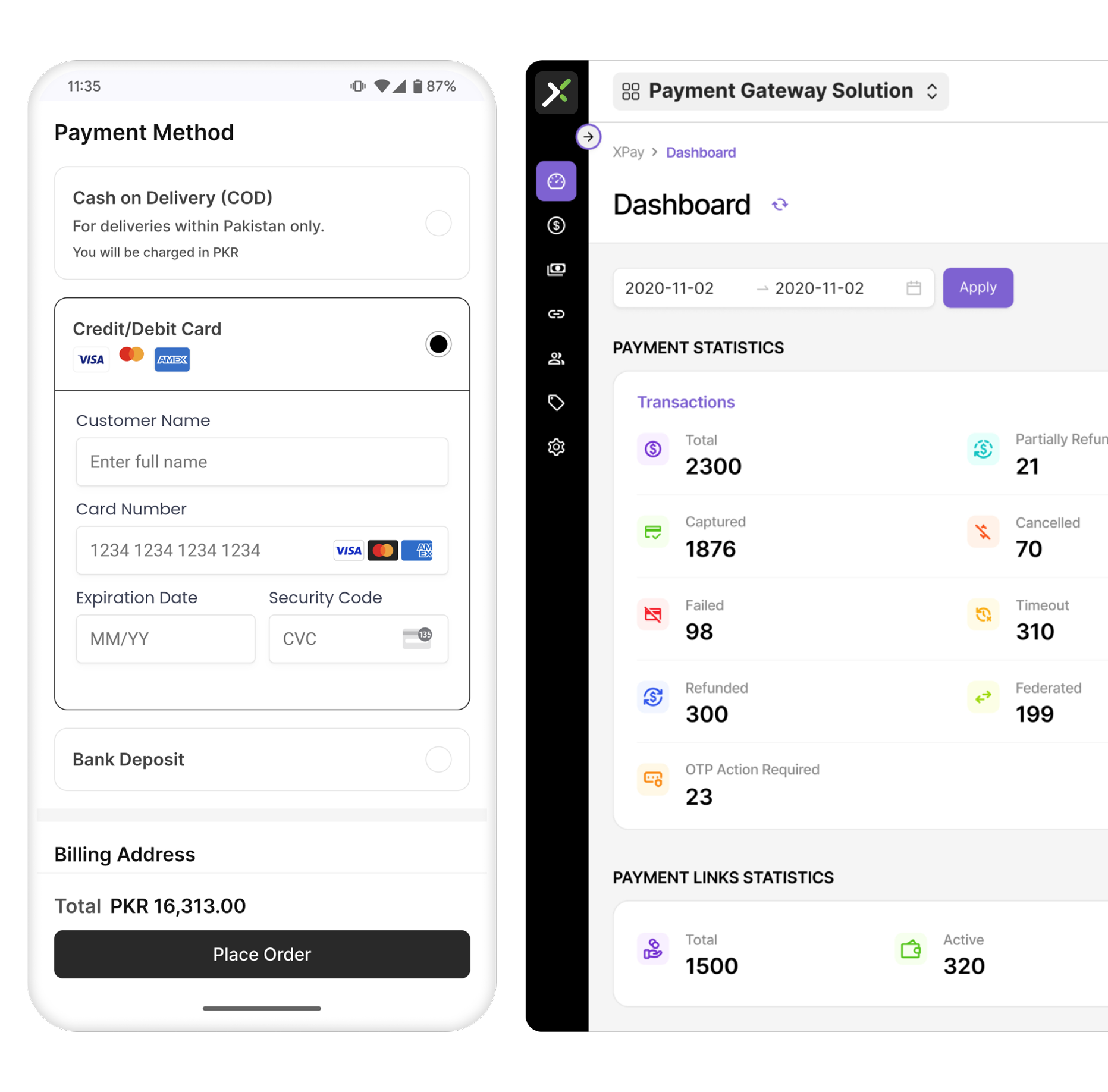
XPay helps with payment tracking, invoicing, and reporting so finance teams can manage recurring revenue more clearly.
Instead of searching through screenshots, spreadsheets, and manual records, teams can work with a more organized payment system.
Recurring payments are useful for many types of Pakistani businesses.
Software businesses can charge customers monthly, quarterly, or annually. This helps create predictable revenue and reduce manual follow-ups.
Online academies, course platforms, tutoring services, and learning apps can use recurring billing for monthly access, subscriptions, or installment-based plans.
Gyms, yoga studios, fitness coaches, diet plans, and wellness memberships can automate monthly payments and reduce missed renewals.
Agencies, consultants, creators, and professional service providers can collect retainers or recurring service fees more easily.
Clubs, communities, premium content platforms, and loyalty programs can charge members on a regular schedule.
Brands selling products that customers need again and again can use subscription models for convenience, retention, and predictable repeat sales.
Recurring payments are not only a payment feature. They can change how a business grows.
They improve cash flow because revenue becomes more predictable.
They reduce manual work because billing is automated.
They improve customer retention because the payment experience becomes easier.
They reduce revenue leakage because failed payments can be retried.
They improve reporting because the business can track renewals and failures clearly.
They support scale because the team does not need to manually manage every billing cycle.
For many businesses, the difference between manual billing and automated recurring payments is the difference between slow operations and scalable growth.
Before choosing a payment gateway for recurring payments in Pakistan, businesses should ask these questions:
Can it automate renewals?
Does it support retry logic for failed payments?
Does it provide customer reminders?
Does it support tokenization?
Can it handle fixed, tiered, and usage-based plans?
Does it provide reporting and payment tracking?
Is the checkout experience smooth for Pakistani customers?
Can it scale as the subscriber base grows?
Does it reduce manual finance work?
Does it support secure repeat transactions?
If the answer is no, the business may still be exposed to failed renewals, manual billing problems, and revenue leakage.
Recurring payments are becoming an important part of Pakistan’s digital business future.
As more businesses move toward subscriptions, memberships, retainers, SaaS billing, online services, and repeat commerce, the ability to collect payments automatically will become a major competitive advantage.
But recurring revenue is only as strong as the system collecting it.
A basic payment gateway may help collect the first payment. A recurring payment gateway helps collect the second, third, twelfth, and twenty-fourth payment with more reliability.
That is where XPay Subscriptions fits in.
With automated renewals, retry logic, customer reminders, flexible billing models, tokenization, and reporting, XPay helps Pakistani businesses manage recurring payments with more control and less manual effort.
If recurring revenue is part of your business model in 2026, the real question is not whether you need automation.
The real question is how much revenue you may be losing every month without it.
Offer customers a faster, secure checkout experience without redirects. From cards and wallets to payment links. XPay helps you reduce drop-offs and get paid reliably.
Get Free Demo




.svg)