BLOG
Digital Payments Trends in Pakistan 2026: What Merchants Should Watch
Digital payment trends in Pakistan 2026: growth of Raast, mobile wallets, and QR payments and what merchants must adopt to stay competitive.

Author
XPay
March 10, 2026
BLOG
Digital payment trends in Pakistan 2026: growth of Raast, mobile wallets, and QR payments and what merchants must adopt to stay competitive.
March 10, 2026
.png)
Pakistan’s digital payments ecosystem is entering a decisive growth phase. Rapid adoption of mobile wallets, instant payment systems like Raast, and government-backed digitization initiatives are reshaping how consumers pay and how merchants operate.
For businesses, 2026 is not just about accepting digital payments; it’s about aligning with how customers prefer to pay, how fast they expect transactions, and how secure those interactions must be.
Pakistan’s retail payments have expanded significantly:
FY25 (July 2024 – June 2025):
Q1 FY26 (July–September 2025)
This growth reflects a clear shift: digital is no longer optional; it dominates transaction behavior.
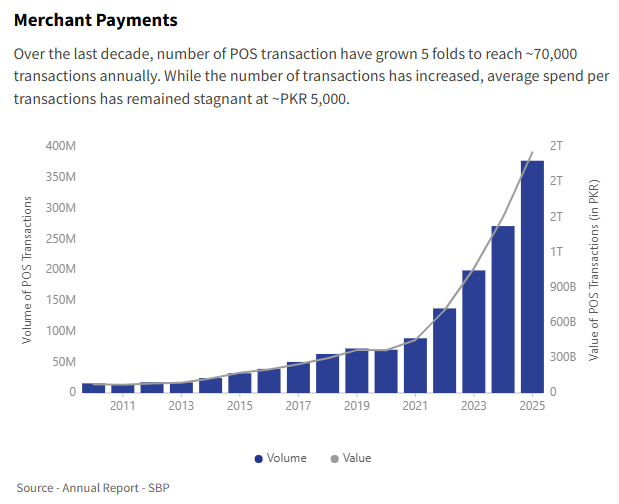
Businesses relying heavily on cash risk losing customers who expect fast, digital-first experiences.
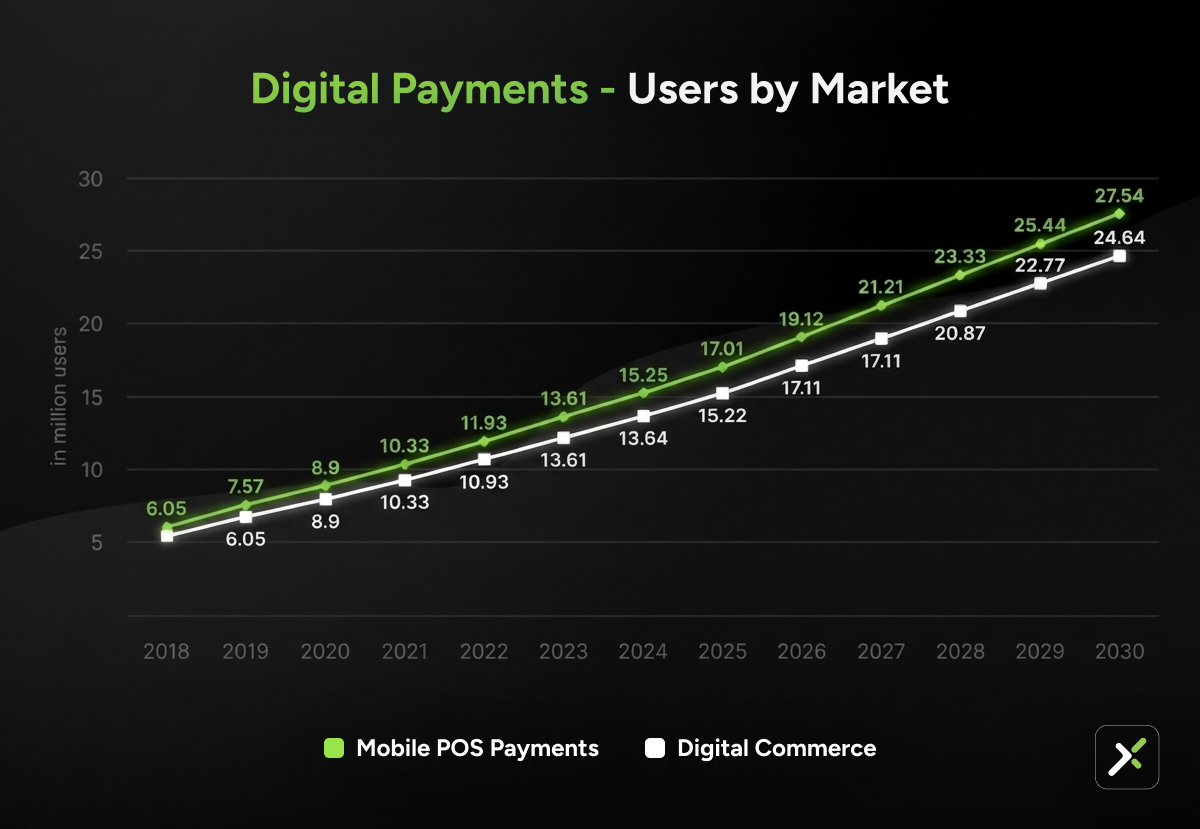
Mobile channels are leading the transformation:
In Q1 FY26:
User adoption is also expanding rapidly:
Mobile isn’t just a channel, it’s the default payment method.
Pakistan’s instant payment system, Raast, is becoming foundational:
Q1 FY26 stats:
Breakdown:
Raast enables:
Adopting Raast (especially QR-based P2M) helps:
QR payments are scaling across Pakistan’s retail:
E-commerce trends:
Pakistan’s e-commerce sector is expanding quickly:
Consumers prefer:
You need multi-payment support, including:
Pakistan’s government is accelerating digitization:
This top-down push will:
As volumes grow, so do risks:
Choosing a payment provider is no longer just about acceptance; it’s about risk management and trust.
Global projections show consistent growth in digital payments:
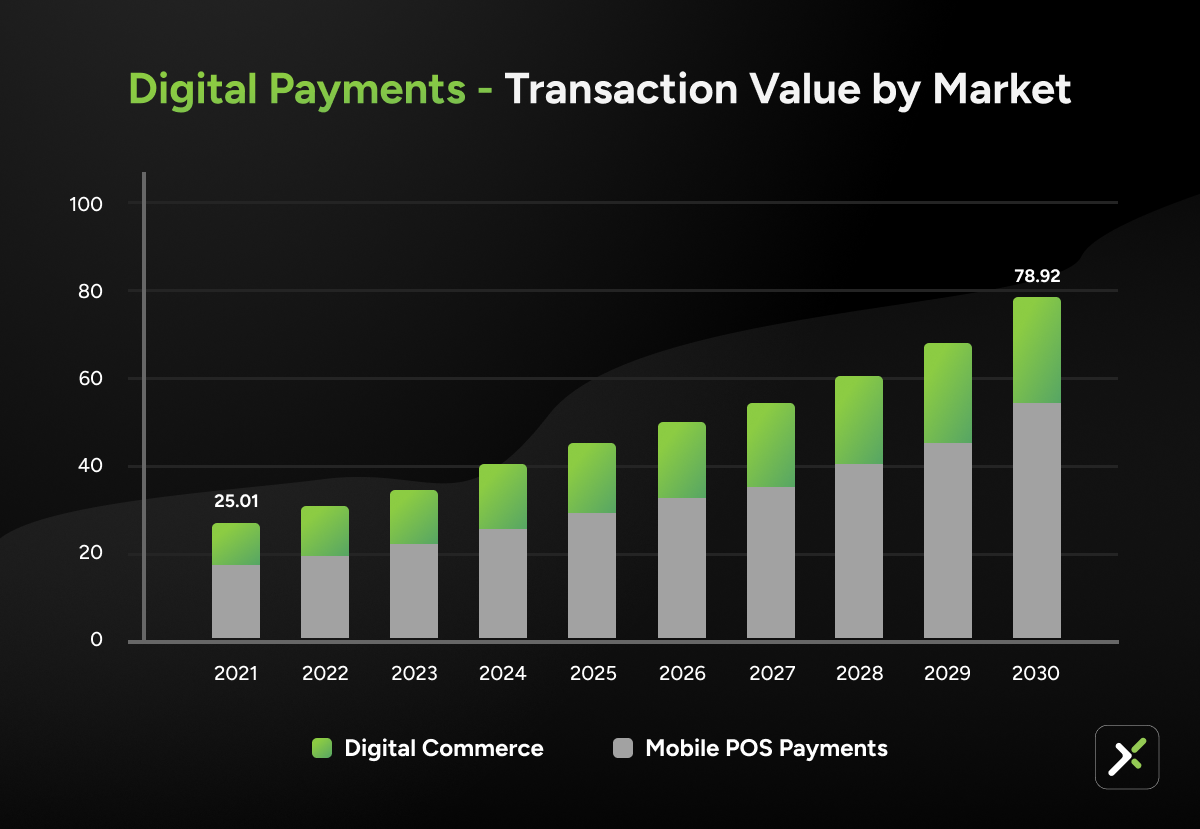
Pakistan is following the same trajectory, but at a faster adoption curve due to:
To stay competitive, merchants should focus on:
Fast, responsive, and frictionless checkouts
For instant, low-cost transactions
Especially for retail and SMEs
Cards, wallets, bank transfers, COD
Reducing drop-offs and improving conversion
To build customer trust and reduce losses
Payment infrastructure is no longer just operational; it’s a growth driver.
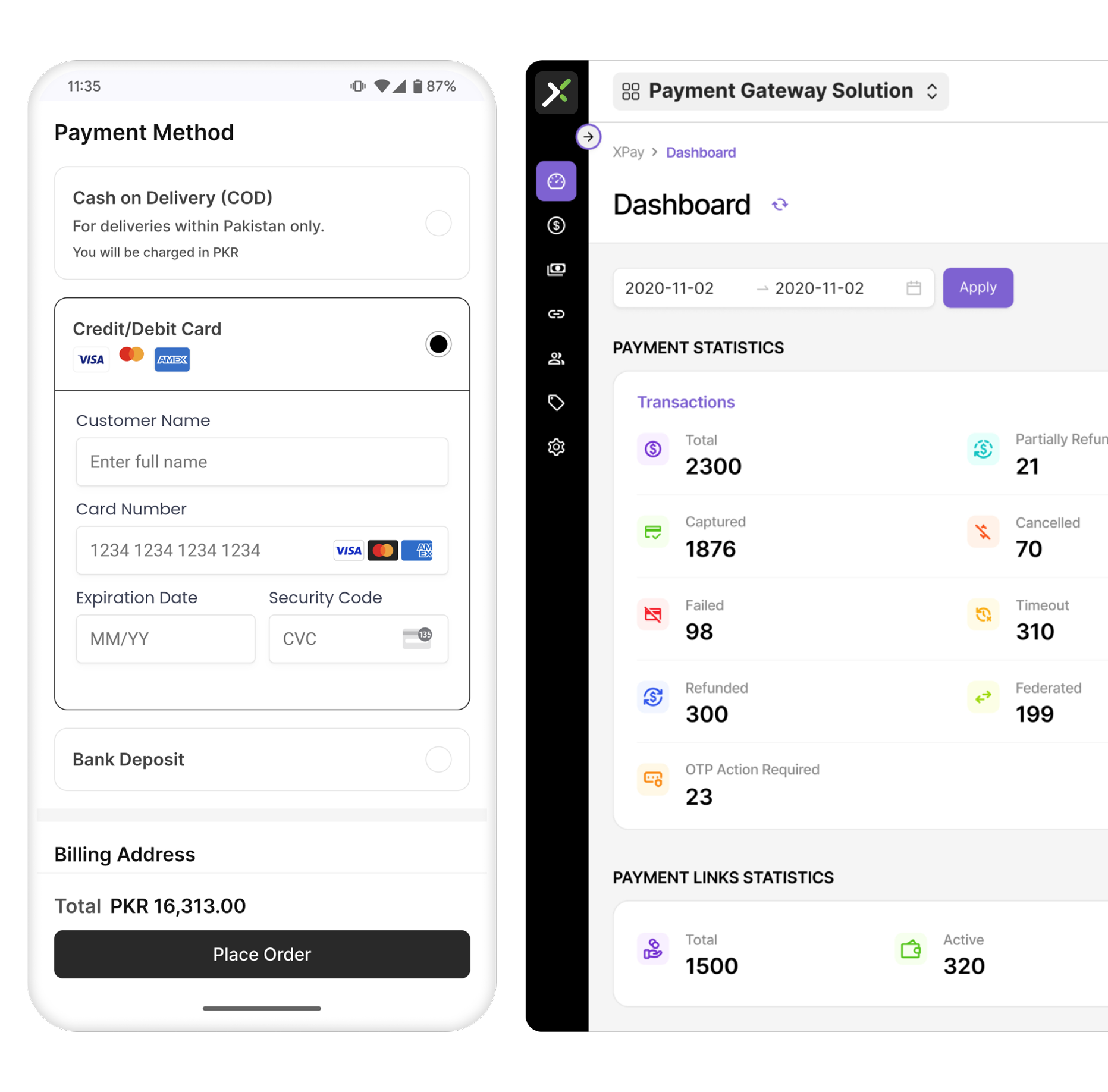
XPay by PostEx helps merchants align with these trends by offering:
With quick integration and scalable infrastructure, merchants can:
Merchants ready to handle 2026 trends can start with XPay. Visit https://xpay.postexglobal.com/ to set up, view demos, or integrate now.
Offer customers a faster, secure checkout experience without redirects. From cards and wallets to payment links. XPay helps you reduce drop-offs and get paid reliably.
Get Free Demo




.svg)